// Book comparison
Debt: The First 5,000 Years vs The Design of Everyday Things
Which should you read? A side-by-side comparison of Debt: The First 5,000 Years by David Graeber and The Design of Everyday Things by Don Norman.
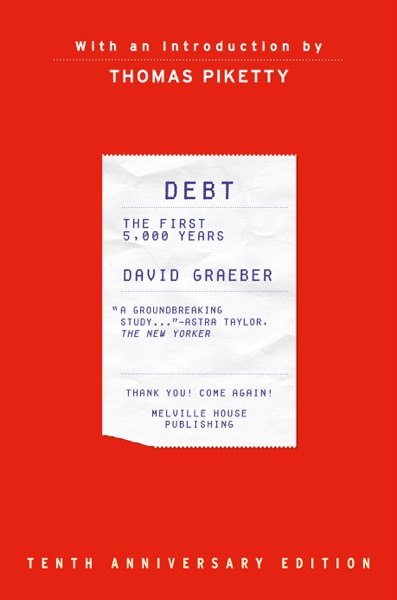
Debt: The First 5,000 Years
by David Graeber
★ 4.9/5
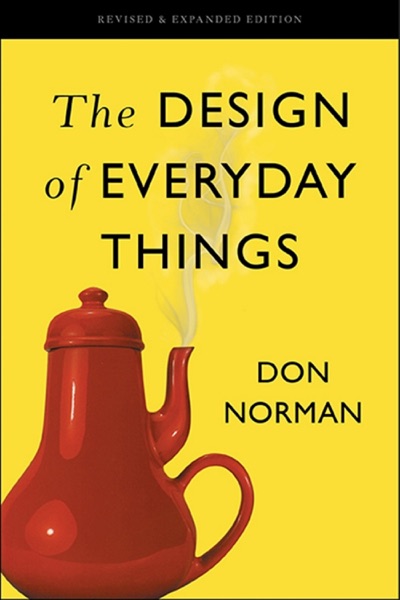
The Design of Everyday Things
by Don Norman
★ 4.9/5
At a glance
| Debt: The First 5,000 Years | The Design of Everyday Things | |
|---|---|---|
| Rating | ★ 4.9/5 | ★ 4.9/5 |
| Pages | 544 | 368 |
| Reading time | ~13.6 h | ~9.2 h |
| Published | 2011 | 1988 |
| Author | David Graeber | Don Norman |
| Category | Psicologia dos Negócios | Marketing e Vendas |
| Publisher | — | Basic Books |
Choose Debt: The First 5,000 Years if…
- → You're interested in psicologia dos negócios.
- → You want the higher-rated book (4.9/5).
- → You want the more recent perspective (2011).
Choose The Design of Everyday Things if…
- → You're interested in marketing e vendas.
- → You prefer a shorter read (~9.2 hours).
Key takeaways — Debt: The First 5,000 Years
- ✓ Trate redes de crédito e confiança como a verdadeira base do comércio — a cunhagem e a moeda são ferramentas “a jusante”, não a origem da atividade econômica.
- ✓ Estude ciclos históricos de dívida e jubileus para antecipar como os atuais passivos soberanos e de consumidores podem, eventualmente, ser resolvidos.
- ✓ Reconheça que o enquadramento moral da dívida (“uma dívida deve ser paga”) é uma construção cultural, não uma lei da natureza — um contexto útil ao negociar reestruturações ou ao desenhar produtos de crédito.
Key takeaways — The Design of Everyday Things
- ✓ Priorize Discoverability e Feedback, garantindo que cada elemento do seu produto sinalize claramente sua função e ofereça confirmação imediata das ações do usuário.
- ✓ Alinhe o design do seu produto ao Modelo Mental do Usuário, reconhecendo que as pessoas interagem com a tecnologia com base em experiências anteriores e analogias intuitivas.
- ✓ Use Constraints como um Escudo Estratégico, limitando intencionalmente as opções do usuário para evitar erros catastróficos e orientar o cliente pelo caminho mais eficiente para o sucesso.
The verdict
If you want the higher-rated, more acclaimed read, start with Debt: The First 5,000 Years. If you specifically need marketing e vendas, The Design of Everyday Things is the better fit. Both summaries are free — no signup required.
❓ FAQ
Is Debt: The First 5,000 Years or The Design of Everyday Things better? +
Debt: The First 5,000 Years has the higher reader rating (4.9/5 vs 4.9/5), but "better" depends on your goal. Debt: The First 5,000 Years focuses on psicologia dos negócios, while The Design of Everyday Things focuses on marketing e vendas. See the verdict below.
Which is shorter, Debt: The First 5,000 Years or The Design of Everyday Things? +
The Design of Everyday Things is shorter (368 pages, ~9.2 hours) compared to Debt: The First 5,000 Years (544 pages, ~13.6 hours).
Should I read Debt: The First 5,000 Years or The Design of Everyday Things first? +
If you want the quicker, higher-rated read, start with Debt: The First 5,000 Years. Otherwise read whichever matches your current goal — both summaries are free on BookHub.