// Book comparison
Debt: The First 5,000 Years vs The Design of Everyday Things
Which should you read? A side-by-side comparison of Debt: The First 5,000 Years by David Graeber and The Design of Everyday Things by Don Norman.
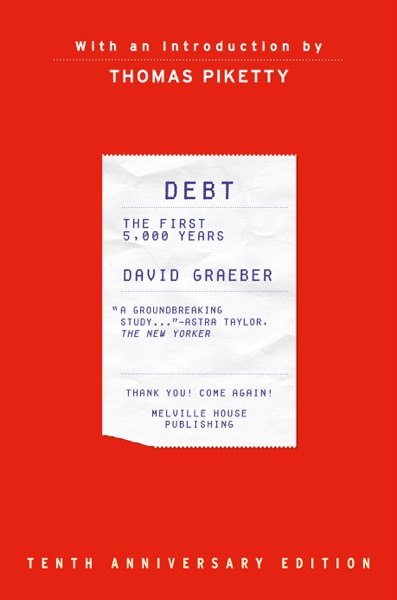
Debt: The First 5,000 Years
by David Graeber
★ 4.9/5
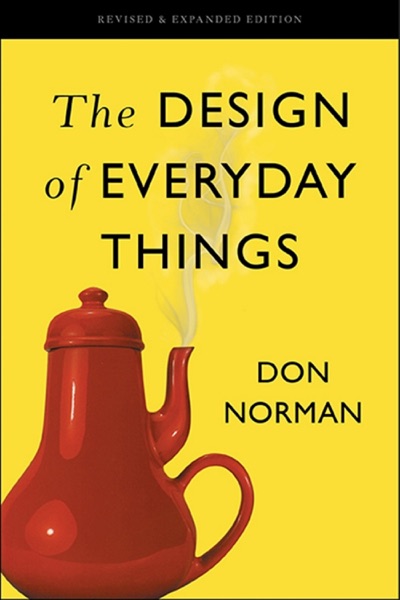
The Design of Everyday Things
by Don Norman
★ 4.9/5
At a glance
| Debt: The First 5,000 Years | The Design of Everyday Things | |
|---|---|---|
| Rating | ★ 4.9/5 | ★ 4.9/5 |
| Pages | 544 | 368 |
| Reading time | ~13.6 h | ~9.2 h |
| Published | 2011 | 1988 |
| Author | David Graeber | Don Norman |
| Category | Psicología empresarial | Marketing y ventas |
| Publisher | — | Basic Books |
Choose Debt: The First 5,000 Years if…
- → You're interested in psicología empresarial.
- → You want the higher-rated book (4.9/5).
- → You want the more recent perspective (2011).
Choose The Design of Everyday Things if…
- → You're interested in marketing y ventas.
- → You prefer a shorter read (~9.2 hours).
Key takeaways — Debt: The First 5,000 Years
- ✓ Trata las redes de crédito y confianza como la base real del comercio: la acuñación y la moneda son herramientas derivadas, no el origen de la actividad económica.
- ✓ Estudia los ciclos históricos de deuda y los jubileos para anticipar cómo los actuales sobreendeudamientos soberanos y de consumo podrían resolverse en el futuro.
- ✓ Reconoce que el encuadre moral de la deuda ("una deuda debe pagarse") es una construcción cultural, no una ley natural: un contexto útil al negociar reestructuraciones o diseñar productos de crédito.
Key takeaways — The Design of Everyday Things
- ✓ Prioriza la Discoverability y el Feedback, asegurando que cada elemento de tu producto señale claramente su función y brinde confirmación inmediata de las acciones del usuario.
- ✓ Alinea el diseño de tu producto con el Modelo Mental del Usuario, reconociendo que las personas interactúan con la tecnología a partir de experiencias previas y analogías intuitivas.
- ✓ Usa Constraints como un Escudo Estratégico, limitando a propósito las opciones del usuario para evitar errores catastróficos y guiar al cliente por el camino más eficiente hacia el éxito.
The verdict
If you want the higher-rated, more acclaimed read, start with Debt: The First 5,000 Years. If you specifically need marketing y ventas, The Design of Everyday Things is the better fit. Both summaries are free — no signup required.
❓ FAQ
Is Debt: The First 5,000 Years or The Design of Everyday Things better? +
Debt: The First 5,000 Years has the higher reader rating (4.9/5 vs 4.9/5), but "better" depends on your goal. Debt: The First 5,000 Years focuses on psicología empresarial, while The Design of Everyday Things focuses on marketing y ventas. See the verdict below.
Which is shorter, Debt: The First 5,000 Years or The Design of Everyday Things? +
The Design of Everyday Things is shorter (368 pages, ~9.2 hours) compared to Debt: The First 5,000 Years (544 pages, ~13.6 hours).
Should I read Debt: The First 5,000 Years or The Design of Everyday Things first? +
If you want the quicker, higher-rated read, start with Debt: The First 5,000 Years. Otherwise read whichever matches your current goal — both summaries are free on BookHub.